Where to eat well at an Oltrarno bistrot in Florence
What an Oltrarno bistro is
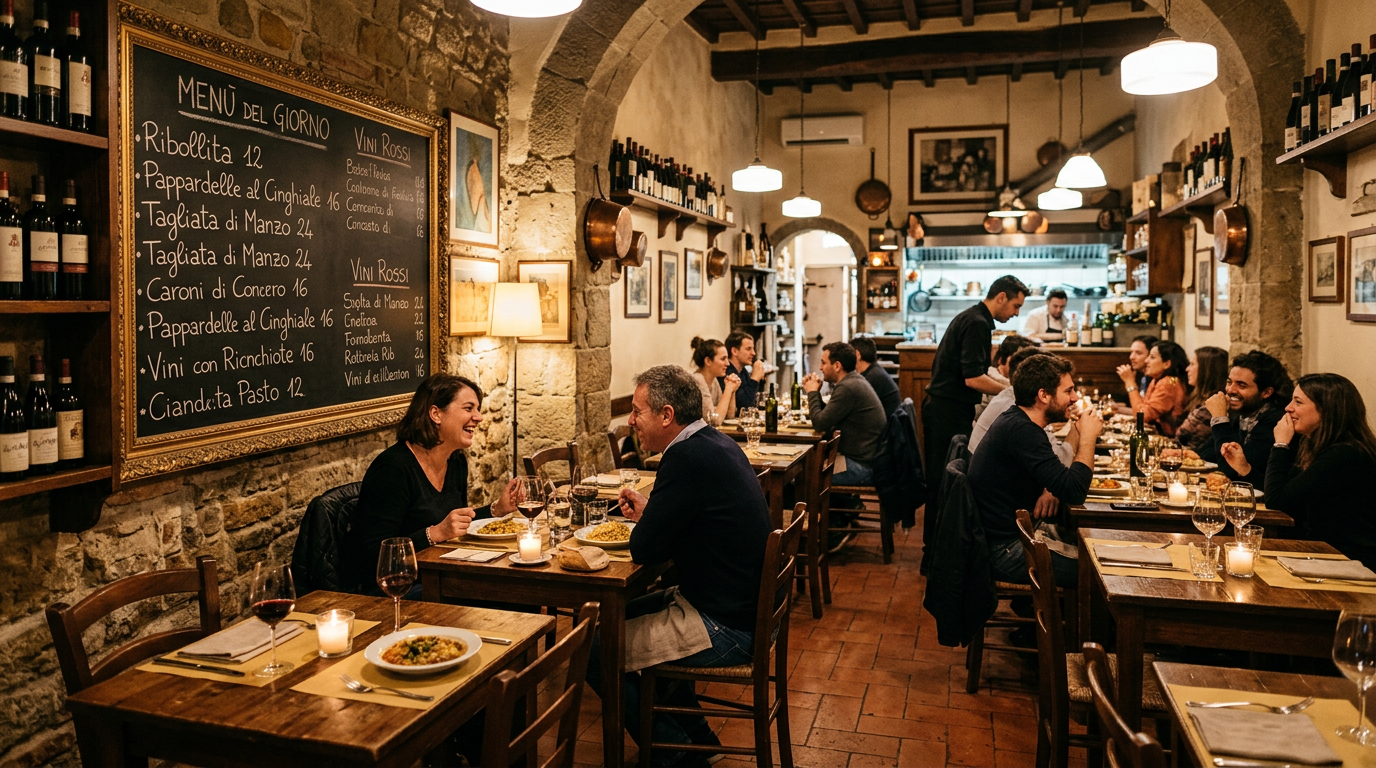
The word bistrot, borrowed from French but used freely in Italian, denotes a specific eating format in Florence’s Oltrarno that has become more clearly defined in the past decade. It is not a trattoria (the traditional Florentine family restaurant with a fixed menu of Tuscan classics) and not a ristorante (the formal dining room with covered tables, multiple courses, and a full brigade). A bistro in Oltrarno is smaller, more informal, and usually focused on a single chef or a small team working with a short, seasonal menu that changes frequently.
The format emerged partly in response to the economics of the neighbourhood. Rents in Oltrarno are lower than in the centre north of the Arno, making it possible for small operators to run rooms of thirty to forty covers without the revenue pressure of a larger establishment. The clientele is mixed, Florentine residents who eat out several times a week, visitors who have read enough to look beyond the tourist corridor, and professionals from the surrounding design, architecture, and academic community.
What this produces is a different eating experience from the set-piece trattoria or the destination restaurant. The menu is typically five or six items across two or three courses; wine is chosen from a short list of local and natural producers; the room is loud enough to have a conversation without performing. Prices in 2026 run from about €12 for a pasta course to €22 for a main, with a full meal including wine at approximately €40–€55 per person.
Specific addresses and what they offer
Buca Mario on Via delle Romane is not strictly an Oltrarno address but is close enough to be relevant as a reference point for traditional Florentine cooking. For the smaller bistro format within Oltrarno, the following are the most consistently reliable as of 2026.
Il Magazzino on Piazza della Passera, about 700 metres from Via Pisana 191, occupies a former storage space with exposed brick walls and a low ceiling. The menu changes daily and is written on a blackboard brought to the table. Typical pasta courses include pici with wild boar ragù or rigatoni with cavolo nero (black kale) and ricotta. Mains trend toward offal, trippa alla fiorentina (tripe in tomato), lampredotto (the fourth stomach of beef, slow-cooked), and grilled meats. First course approximately €11, main approximately €16. No bookings; arrive before 20:00 for a table at dinner.
Trattoria Sostanza on Via della Porcellana, about 900 metres from Via Pisana 191 heading east, is one of the oldest restaurants in Florence, operating since 1869. It does not fit the modern bistro format but is the best reference for what traditional Florentine cooking looks like without revision: ribollita, pappardelle al cinghiale, and the famous butter omelette (imburiata), which has been on the menu unchanged since the early twentieth century. Booking is essential; lunch and dinner; closed Sunday. Main courses run €15–€24 in 2026.
Gurdulù on Via delle Caldaie, about 800 metres from Via Pisana 191, is on the more refined end of the Oltrarno spectrum. Chef Gabriele Andreoni works with a modern Tuscan idiom, seasonal produce, clean technique, Italian ingredients used with French precision. A three-course dinner costs approximately €45–€55 without wine. Booking is essential; the room is small (twenty-five covers) and fills two weeks in advance on weekends.
Bevo Vino on Via Sant’Agostino, about 600 metres from Via Pisana 191, is primarily a wine bar but serves substantial plates at the counter and at four small tables inside. The selection changes daily and is written on a board above the bar. Pasta costs €9–€11; cheese boards €12. The wine list is natural-producer focused, with around thirty labels available by the glass. No bookings; high turnover.
Il Guscio on Via dell’Orto, about 400 metres from Via Pisana 191, is a neighbourhood restaurant that has been serving a loyal local clientele since the 1990s. The menu is Tuscan with occasional deviation, ribollita is always present, as is pappa al pomodoro (bread and tomato soup). Mains include grilled lamb and seasonal fish on Fridays. Prices are moderate: pasta at €10, mains at €14–€18. Bookings accepted and recommended for weekend evenings.
The food: what to order
Oltrarno bistros tend to organise their menus around two or three dishes that rotate by week or by season. In spring (March–May), expect asparagus in pasta and risotto, favas and pecorino as an antipasto, and lamb as the dominant meat.
In summer (June–August), the menus shift to cold antipasti, lighter pasta, and raw or briefly cooked fish imported from the Tyrrhenian coast. Panzanella, the Tuscan bread salad with tomato, cucumber, basil, and red onion, appears consistently in July and August. Temperatures in a small kitchen in August are punishing, and some bistros reduce their service to evenings only or close for two to three weeks.
Autumn (September–November) is the peak period for complexity. Porcini mushrooms from the Mugello and Casentino arrive in September and are used in pasta, risotto, and as side dishes. Truffles (both the black Tuber melanosporum and the white Tuber magnatum) are available from October onward; white truffle pasta at a small bistro will cost €25–€35 per portion in 2026. Game, hare, wild boar, pheasant, appears on the menu from October.
Winter menus are the most Florentine in character: ribollita (Tuscan bread and vegetable soup, reheated and re-cooked), pappardelle with ragù, roasted meats, lentils, and bean soups. These are dishes designed for cold weather and hard physical work. They are dense, caloric, and completely unsuited to light appetites.
Reservations and practical notes
The booking situation at Oltrarno bistros is variable and sometimes illogical. A restaurant with fifteen tables may take no reservations and consistently have a forty-minute wait. Another with thirty covers may require booking three days in advance.
As a general rule in 2026: any Oltrarno bistro with a social media presence and a following expects bookings. Those without an online presence tend to operate on a walk-in basis. The safest strategy for a guaranteed table at dinner is to arrive between 19:30 and 20:00 on a weekday. Weekend dinner service from 20:00 onward is consistently full at any address worth visiting.
Lunch in Oltrarno is underused by visitors and almost always walk-in. Most bistros serve a shortened lunch menu from 12:30 to 14:30; by 12:15 the good seats are taken by local regulars, but at 12:00 the room is usually empty.
Cover charges (coperto) are standard: €1.50–€3 per person. Service is included in the bill at almost every Florentine restaurant. An additional tip is not expected, though it is not refused.
Where to stay
Oltrarno’s density of small, serious bistros makes it the best neighbourhood in Florence for eating well without travelling far. Most of the addresses above are within fifteen minutes’ walk of each other, and a single evening in the neighbourhood can include aperitivo at a wine bar followed by dinner at a bistro and a walk back along the Arno embankment. De’ Medici on Via Pisana 191 is positioned at the western edge of this cluster, within easy walking distance of all the restaurants listed here.